
On August 9, 2023, the small Alsatian town of Wintzenheim found itself in shock after a fire which claimed the lives of eleven people in a holiday lodge. This tragedy, which occurred in the early morning, raises many questions about the measures of fire safety in the lodges and accommodation leisure. Despite regulatory supervision, several failures allowed the flames to spread quickly, leading to a human tragedy of rare intensity. With emergency services mobilized in the middle of the night, this disaster highlights the need to strengthen emergency services. safety equipment and increased vigilance on the part of those responsible for rescue services. In this year 2025, this catastrophe invites an in-depth examination of the fire prevention in all places of accommodation, whether seasonal or permanent, to prevent this type of tragedy from happening again.
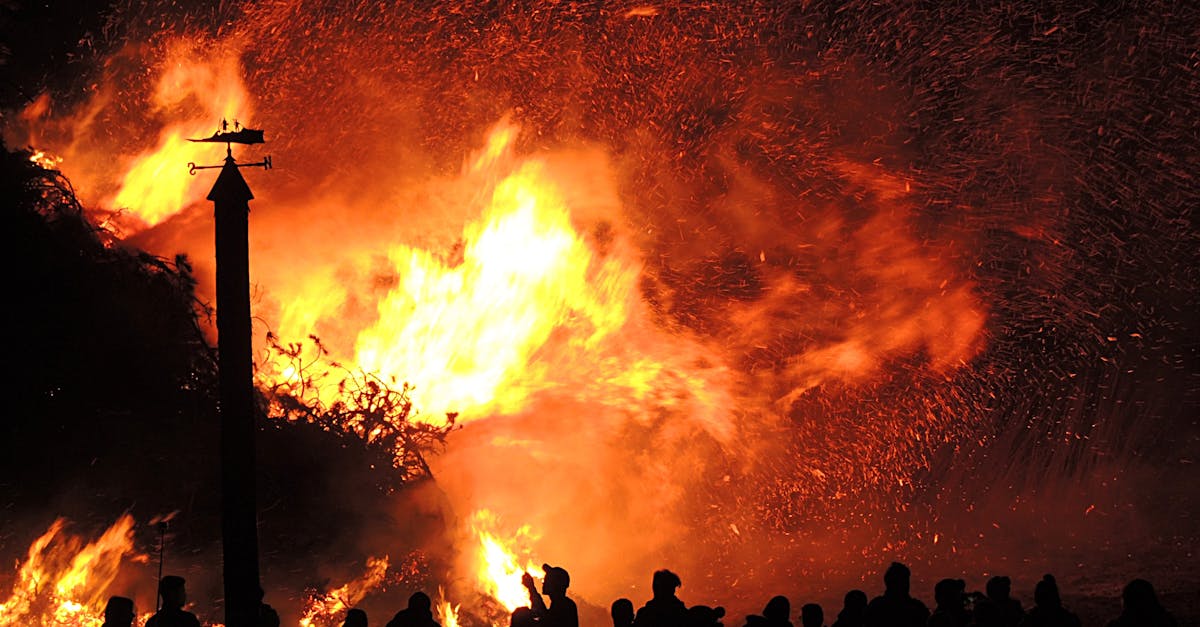
The exact circumstances of the Wintzenheim fire
Initial investigations reveal that the fire broke out in a lodge located at a place called La Forge, accommodation rented to the organization intended to accommodate people with disabilities. The victims, five men and six women, were on an organized stay, ensuring vacation rental adapted to their specific needs. The rapid spread of the fire prevented some of them from escaping, despite the presence of assistants. The central question remains: how could such a fire have started in accommodation supposed to respect a certain standard of safety ?
Witnesses speak of a failure in terms ofsafety equipment or an inadequate evacuation procedure. Indeed, in the majority of Gîtes de France and other leisure accommodations, the compliance of the electrical installation, the presence of fire alarms, and the regular verification of fire prevention measures often remain insufficient. Renovating lodges, which are sometimes several decades old, is essential, as is bringing safety systems up to standard to ensure user protection. https://www.youtube.com/watch?v=JoqwE2WAv1A The Challenges of Safety and Prevention in Seasonal Accommodation This tragedy casts a critical eye on safety management in leisure accommodations. Despite regulations aimed at ensuring the renovation of lodges and guaranteeing fire safety, some establishments do not always comply with these standards. The ongoing investigation is attempting to determine whether the structure in question complied with European and French standards, particularly those recommended by the Safety Committee, or whether technical failures allowed the fire to spread so quickly. Several factors often explain the vulnerability of homes during a fire:
Faulty or absent safety equipment (smoke detectors, fire extinguishers)
🔥 Outdated or non-compliant electrical installation📝 Lack of training of staff or caregivers in evacuation procedures ⛑️Increased risk in accommodations for people with reduced mobility 🌲
Natural environment
- that can promote the spread of fire (nearby forests or brush) These issues require an immediate review of the applicable standards, with a greater emphasis on fire prevention and risk awareness. Regarding the liability of operators, the legislation provides for home insurance. Specific insurance to cover such losses is required, but it must still be in effect and the renovation of the holiday accommodations must be effective.
- Measures to be taken to strengthen safety in holiday accommodations Faced with the impact of this tragedy, several recommendations have emerged from the emergency services and local authorities. The priority remains improving safety equipment in all accommodations, whether temporary or seasonal: 🛠️
- Renovation of older structures with strict compliance 🔔 Installation of connected fire alarms and certified smoke detectors 🧯 Strategic placement of fire extinguishers and evacuation equipment
- 📚 Regular fire prevention training for staff and occupants 🌱 Fire safety awareness in public buildings Authorities also emphasize the importance of periodic inspections by the safety committee or relevant departments to ensure the compliance of structures. The implementation of new regulations, particularly within the framework of standards for improving reception, is an essential step to prevent the recurrence of such disasters. Regulatory Issues and Owners’ Responsibility
- Owners and managers of holiday cottages must comply with a strict regulatory framework. The law requires ensuring optimal fire safety, particularly through regular renovation of electrical installations, inspection of detection systems, and equipment maintenance. In the Wintzenheim case, the investigation highlighted possible negligence in the maintenance or updating of safety equipment. Both the owners and the lodge manager are legally liable in the event of proven failure, leading to prosecution for manslaughter. The role of the safety committee is also to strengthen regulations to ensure such errors are not made in the future. It is therefore crucial that all stakeholders are aware of the importance of rigorous management, integrated with regular inspections and ongoing training for all stakeholders.
Frequently Asked Questions (FAQ) 🔎 What are the main causes of fires in tourist accommodation? Common causes include outdated electrical installations, poorly maintained equipment, or human error when operating heating or cooking systems. 🔥 How can fire prevention be improved in lodges? It is essential to invest in certified equipment (detectors, fire extinguishers), to undergo regular training, and to have periodic inspections carried out by competent bodies such as the safety committee.🛡️ What role does insurance play in protecting against these disasters? Home insurance generally covers fire-related damage, provided that the renovation of holiday homes is up to date and all safety measures are followed. However, this coverage does not replace prevention. 📝 What regulations must owners comply with? They must comply with the legislative framework relating to fire safety, equip their accommodations with compliant equipment, and ensure that safety devices are in proper working order at all times. Source:
www.dna.fr


