
Fire at a Trévoux B&B Mobilizes Safety and Assistance
On July 16, 2025, an emergency response was called in Trévoux, a town located in the Rhône department, following a fire in a large B&B. Fourteen people were quickly evacuated by emergency services, thus preventing a worsening of the situation at this hospitality establishment. Fortunately, no injuries were reported among the occupants, who were brought to safety in time. This tragic incident raises crucial issues regarding safety in tourist accommodation establishments. Preventive management, compliance with safety standards, and the rapid response of emergency services all helped limit the disaster. The incident at this Trévoux B&B highlights the importance of regularly assessing fire prevention in these establishments, which often host family groups, tourists, or colleagues during seminars. The rapid response of the firefighters made it possible to contain the fire, which likely stemmed from a technical malfunction in the kitchen. Vigilance in security management remains to be strengthened in this region, particularly through clear communication on the measures to be followed in the event of an emergency. This report also highlights the assistance measures deployed to support evacuees and prevent a repeat disaster in other similar structures. Fire prevention in lodges is an essential responsibility to ensure the safety and peace of mind of tourists and local guests alike.

Details of the fire: origin, response, and outcome
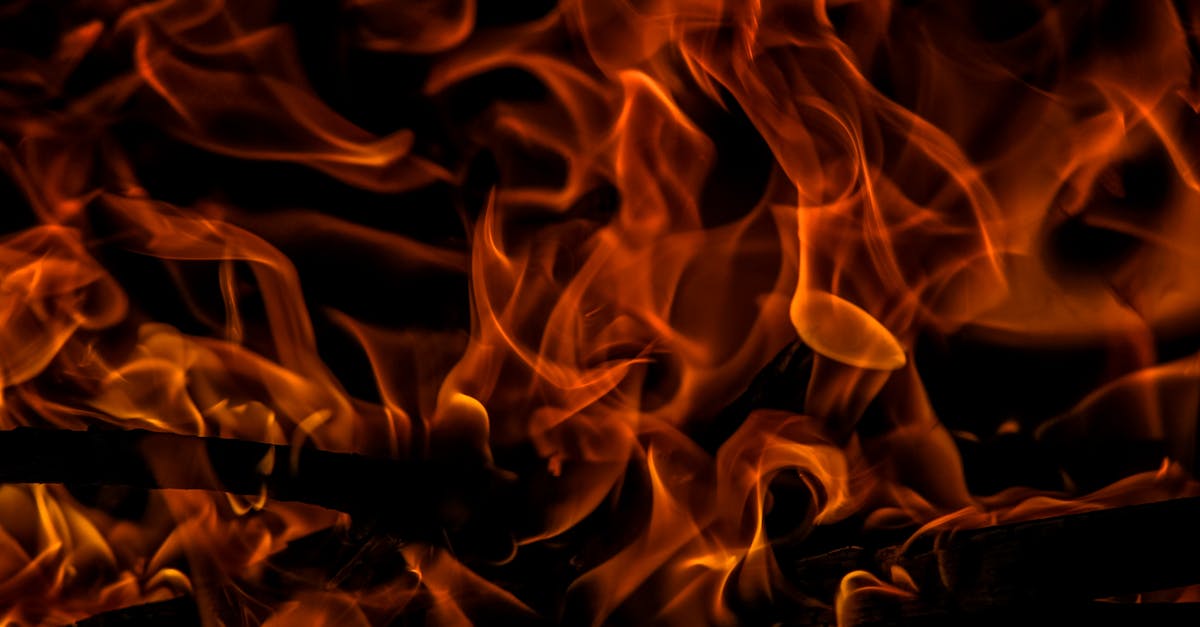
At 8:50 p.m. on Wednesday, July 16, 2025, a fire broke out in the kitchen of a large 300 m² gîte located in Kerfoennec, in Trévoux. The precise cause of the fire remains under investigation, but preliminary information suggests it may be linked to a technical problem with the extractor hood. The rapid response allowed for the immediate mobilization of firefighters from the Quimperlé, Pont-Aven, and Bannalec fire stations. Their intervention was crucial in preventing the fire from spreading further to the upper floor. The fire spread to two apartments, particularly one upstairs, which sustained significant damage. The fire was brought under control around 1 a.m., averting a catastrophe. A total of fifteen people, including a child, were evacuated without difficulty and were taken into care by emergency services. Two families were relocated to the Baye campsite, pending the completion of operations and a possible assessment of the building’s condition. The firefighters’ rapid response was praised, particularly their ability to limit the extent of the damage. The structure of the lodge suffered some deterioration; however, the primary concern remains safety to prevent this type of incident from recurring in other establishments. The issue of compliance with safety standards in lodges remains at the heart of current debates.
The key issues of fire safety in lodges in 2025
For several years, safety in B&B-type accommodation establishments has become a central issue for authorities and owners. Regulations impose strict standards to protect people in the event of a fire. However, reality shows that some sites, particularly those with little supervision or poor maintenance, remain vulnerable. In the case of Le Trévoux, the compliance of electrical installations, regular inspections of kitchen equipment, and staff training are areas that need to be strengthened. Effective prevention relies in particular on:
- 🔒 Regular safety audits
- 🧯 Installation of functional fire alarms
- 🚒 Staff training in evacuation procedures
- 📝 Frequent maintenance of electrical and heating systems
- 📋 Raising occupants’ awareness of fire safety
For comprehensive management, it is essential that every B&B owner or manager considers these elements to ensure optimal safety. Prevention, rather than reaction, remains the main lever for limiting the impact of a fire. Faced with this problem, several organizations, such as safety standards inspections, are continuing their efforts to strengthen prevention. Regulations governing these establishments must evolve to better regulate their operations and guarantee personal safety in all circumstances. Key elements of fire safety in a holiday home 🔥 Description 📝
| Mandatory equipment | Fire alarm, fire extinguishers, smoke detectors, visible emergency exits |
|---|---|
| Staff training | Fire management and rapid evacuation |
| Regular inspections | Annual inspection of electrical and heating installations |
| Occupant awareness | Information on what to do in case of fire |
| Standards in effect in 2025 | Compliance with regulations for public buildings or, in some cases, other building classes |
| Assistance and evacuation systems in the event of a fire in a guesthouse | Ultimately, the Civil Protection Service and the fire brigade have precise protocols to guide operations during a fire in a guesthouse. Their interventions are based on several fundamental pillars to ensure the safety of people: |
🔴 Rapid and organized evacuation of the premises, avoiding panic
🧑🚒 Immediate activation of alarm and detection systems
- 🔥 Limiting the spread of fire through the use of fire extinguishers or partitions
- 🚑 Immediate assistance to injured or distressed people
- 📞 Coordination with medical facilities and regional authorities
- This process also relies on specific training for guesthouse staff, who must be fully aware of their role in an emergency. The fragmentation of responsibilities requires constant monitoring of protocol compliance. For example, in Wintzenheim, a fire claimed the lives of nine people, highlighting the fact that prevention, compliance with standards, and training are vital to avoiding this type of tragedy. Safety equipment must be regularly maintained to ensure it remains operational at all times. Public awareness, particularly by informing visitors of the location and operation of emergency equipment, is essential. The solidarity and efficiency of the emergency response chain are crucial to the success of the response. For further discussion, the fatal fire in Alsace provides additional insight.
- Discover the fascinating world of fire: its mysteries, its dangers, and its use in daily life. Dive into safety tips, survival techniques, and cultural insights surrounding this powerful natural phenomenon.
Prevention in lodges: a challenge for collective safety In a region as popular with tourists as Trévoux, fire prevention is not just a regulatory issue; it’s part of a responsible approach. Safety requires rigorous maintenance, effective awareness raising, and proactive risk management. Among other things, various actions can strengthen hospitality while limiting fire risks: 🔥 Installation and regular testing of fire alarms
📝 Periodic inspections of heating and electrical systems
📢 Clear communication of safety instructions to visitors
- 🤝 Partnership with local security services for staff training
- Local governments and insurers also play a role in raising awareness among managers of these issues. To learn more about these best practices, reading the applicable safety regulations remains essential. When a fire occurs in a lodge, it’s not just a matter of reacting, but also of preventing it to limit vulnerability. The trust tourists place in local hospitality depends in part on the reliability of fire prevention systems. Priority Actions to Prevent a Fire in a Lodge 🔥
- Objectives 🛡️
- Installation of fire alarms
- Early detection of the start of a fire
Regular inspection of electrical installations Avoid short circuits and faults Awareness raising and training
| Facilitate evacuation and reduce panic | Maintenance of safety equipment |
|---|---|
| Ensure their proper functioning at all times | Clear communication of instructions |
| Facilitate evacuation in case of emergency | The role of training and communication in crisis management |
| In an emergency situation, responsiveness and knowledge of procedures are crucial. Specific training for lodge staff on evacuation protocols and the proper handling of safety equipment is essential. In a fire, every second counts: a trained person can save several lives by preventing panic or inappropriate evacuation. Furthermore, communication regarding safety instructions must be clear and accessible, for both tourists and employees. Raising awareness beforehand helps reassure everyone and prepare them to act effectively in a critical situation. Implementing regular training sessions, or even practical exercises, is part of a prevention approach essential to improving collective safety in lodges. Publicizing these initiatives, particularly via social media or posters, reinforces vigilance regarding fire prevention. A communication strategy is a key component in maintaining a high level of safety in the face of potential emergency scenarios. | Discover the fascinating world of fire: from its destructive power to its use in art and cuisine. Dive into the mysteries of fire, its history, and its impact on our daily lives. |
| FAQ: Frequently Asked Questions about Fire Safety in B&Bs in 2025 | How can I ensure my B&B complies with safety standards? |
| It is advisable to hire an accredited organization to conduct a regular safety audit, including checking alarm systems, fire extinguishers, and emergency exits. | What should I do in the event of a fire in a B&B occupied by tourists? |
The alarm must be activated immediately, a calm and rapid evacuation must be organized according to the instructions, and emergency services must be contacted. Staff training facilitates this response.
What measures should be implemented to ensure the safety of people inside the accommodation?

Is fire prevention a costly undertaking?
- Investing in security may represent an initial cost, but it is a crucial investment to avoid significant human and financial losses in the future. What responsibilities do accommodation owners have regarding security?
- They must ensure compliance with standards, train their staff, maintain equipment, and raise awareness among occupants about fire prevention. Source:
- www.letelegramme.fr


