
The best lodges for beginners in wildlife observation in France
In 2025, observing wildlife will become a true adventure accessible to all. Whether you’re a birdwatching enthusiast or simply curious to discover nature in a friendly setting, lodges dedicated to biodiversity offer a unique experience. These accommodations, located in the heart of preserved natural spaces, allow you to fully immerse yourself in the lives of birds, small mammals, and other inhabitants of wild territories. From Corsica to Normandy, these places are becoming true refuges where you can observe without disturbing the animals’ tranquility. The current trend emphasizes respectful, responsible, and educational tourism, ideal for learning about local wildlife while enjoying warm comfort.
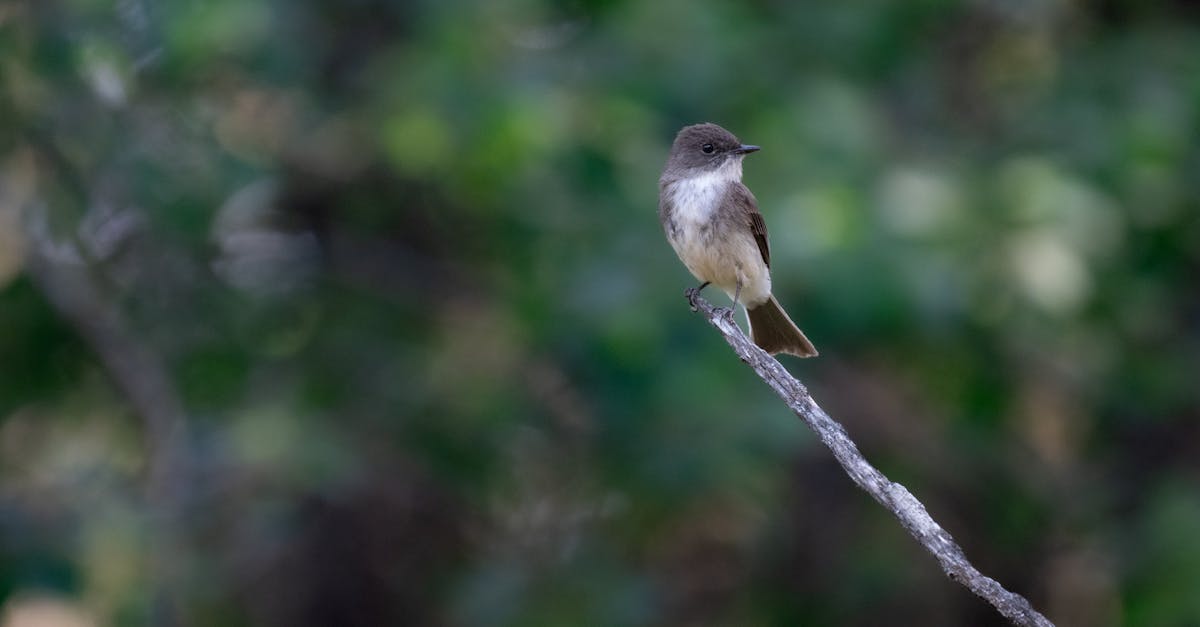
Birdwatching areas are at the heart of nature observation. These nature reserves, such as the famous Bird Sanctuary or the Orthez Marsh, offer ideal conditions for spotting a wide variety of migratory and resident birds. In France, the network of Birdwatching Areas continues to expand, allowing naturalists of all ages to learn birdwatching in a safe environment. These sites also play an essential role in species protection and conservation. Their ease of access, even for beginners, greatly facilitates access to nature’s refuges and encourages an educational and responsible approach.
Discover the art of birdwatching with our tips and tricks for birdwatching enthusiasts. Learn to identify local species, choose the right equipment, and explore the best places to observe avian wildlife. Join us on this immersive adventure in the great outdoors. Bird lodges: places to stay for tomorrow’s naturalists Wildlife lodges or Ornitho Gîtes are designed to offer an immersive birdwatching experience. What makes them special? A layout designed to encourage birds to live in a respectful environment. Located near wetlands, forests, or meadows, these accommodations often feature peek-a-boo windows, observation points, and even elevated observation towers. The advantage? Being able to observe the rich birdlife from the comfort of your bed or during a break in the garden. Some even offer discovery workshops, from species recognition to bird photography. For a stay combining comfort and passion, these biodiversity lodges are a must-see.Discover the art of birdwatching! Immerse yourself in bird watching and learn to identify different species while enjoying nature. Explore the best tips, equipment, and locations for an unforgettable experience.Iconic places to marvel at the lands of birds Les
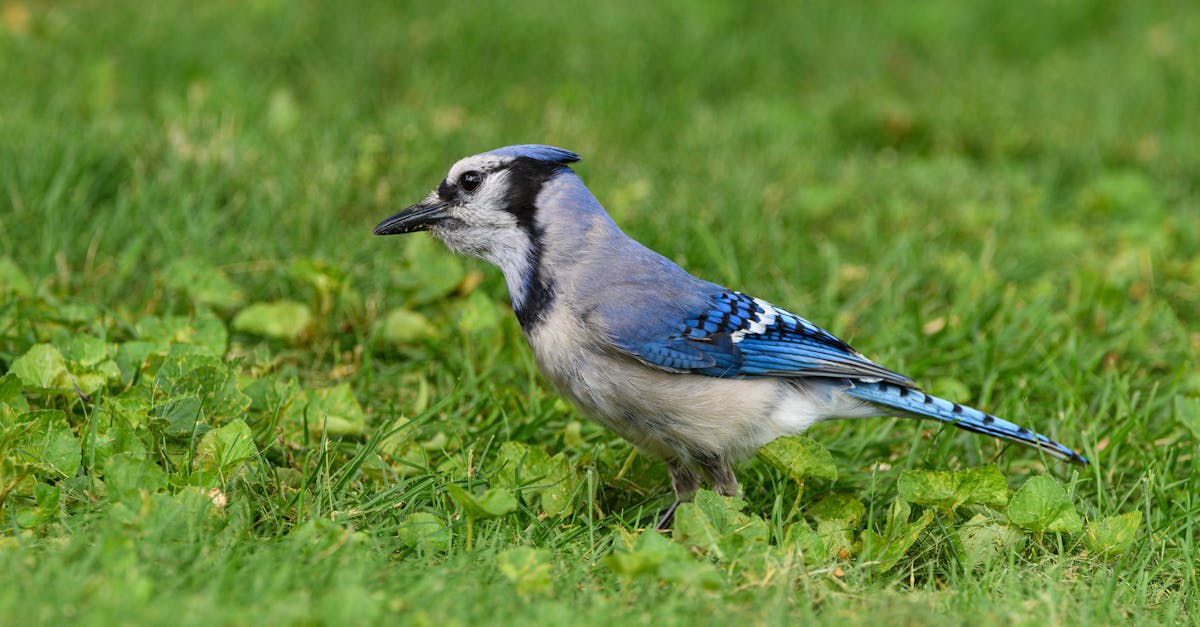
or nature reserves located near the coast offer an unforgettable spectacle. The Lilleau des Niges reserve, for example, is a must-see site for birdwatching enthusiasts. This site, managed by the League for the Protection of Birds, allows you to admire thousands of migratory birds in full display or at rest. The success of these sites lies in their ability to combine a protected space with accessibility suitable for all audiences. From the observation platforms, it is possible to spot ducks, flamingos, avocets, and wading birds in full activity. These sites perfectly illustrate the symbiosis between nature, education, and sustainable tourism, helping to make each excursion an enriching adventure.
Les Gîtes de la Nature: a haven for peaceful birdwatching Getting away from the crowds is also the principle of Les Gîtes de la Nature. These accommodations offer a private space, often in remote or little-visited locations, where wildlife can be appreciated in its raw state. Whether in the Massif Central, Vanoise, or Landes, each region has its own unique ornithological attractions. The proximity to nature reserves or protected areas allows you to observe local wildlife during walks or directly from your window. No need to run around; these lodges become true sanctuaries for anyone who wants to become a budding naturalist or simply enjoy a relaxing stay. Explore the bird trails: a map of must-see sites Platforms like Birdingplaces.eucurrently lists more than 1,000 birdwatching sites in Europe, the majority of which are located in France. The interactive map, updated in 2025, makes it easy to find nearby or targeted spots. You can plan your trip by discovering exceptional sites such as the Bay of Somme, the Camargue, or the Île-de-Ré region. The platform also allows you to follow a recommended route and easily identify where to park or start a birdwatching hike. With more than 100 sites recently added, the community of budding ornithologists and experienced naturalists is growing, revealing the richness of the region and encouraging the preservation of these treasures for future generations. Birdwatching Trips and Adventures in 2025: Between Discovery and Conservation Going on a birdwatching trip also means committing to an approach that respects biodiversity. Many organizers now offer stays in birdwatching lodges or guided tours to discover rare or migrating species. The trend is toward tourist responsibility, with programs that promote education about the protection of habitats and endangered species. Destinations like the Vanoise, the Camargue, or even exotic spots like Reunion Island or Costa Rica remain must-see destinations for marveling at the incredible variety of birdlife. These trips are also becoming a driving force for raising awareness and supporting sustainable management of natural spaces, in a spirit of sharing and authentic emotion. A host of questions for enthusiasts: FAQs on wildlife observation and birdwatching lodges
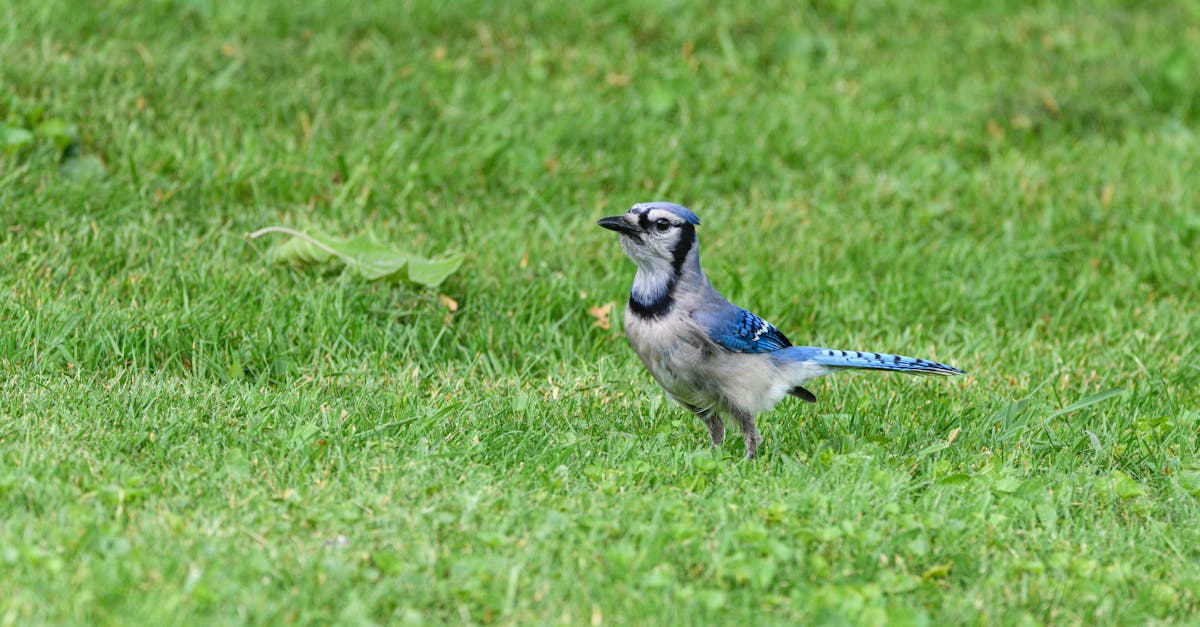
: The migration period, in spring and fall, remains the richest for birdwatching. Sunrise and sunset also offer ideal lighting for spotting and photographing wildlife.
How to choose a birdwatching lodge? : Choose accommodations near a natural area, with facilities dedicated to birdwatchers, such as observation points or borrowed binoculars. Also check the activities offered and their compatibility with your skill level. What rare species can we spot in 2025?
: Migrating birds such as the Eurasian Spoonbill or certain migratory swans, as well as protected species such as the Eurasian Curlew or the Scops Owl, are often seen in peri-urban or protected areas.
Does these accommodations facilitate respect for wildlife? : Absolutely, lodges and reserves encourage responsible behavior, with strict rules to avoid disturbing the ecosystem, including limiting noise, avoiding food or using discreet observation points.


