
For several years, the integration of former religious buildings into the tourism and tourist accommodation sector has represented a rare opportunity to discover history while enjoying a unique setting. The transformation of a chapel into a gîte in Montargis, in the heart of the Loiret region, symbolizes this unique trend that blends architecture, history, and nature. In 2024, this bold initiative enabled the rehabilitation of a heritage building dating from the end of the 19th century into exceptional accommodation. With a substantial budget of €500,000, this renovation aims to strengthen the attractiveness of the area and offer visitors an unusual and authentic experience. Close to the town center, the Saint-Louis Chapel is now part of a tourist itinerary combining historical discovery and relaxation. The property, initially belonging to the Church before becoming a deconsecrated site, has been transformed to accommodate up to eight people, harmoniously combining architectural heritage and modern comfort. The approach is part of a heritage enhancement approach, while respecting the spirit of the place. This transformation is part of a broader approach, as several other locations across France, particularly in the Centre-Val de Loire region, are also adopting this trend of repurposing former religious buildings as unusual accommodations.
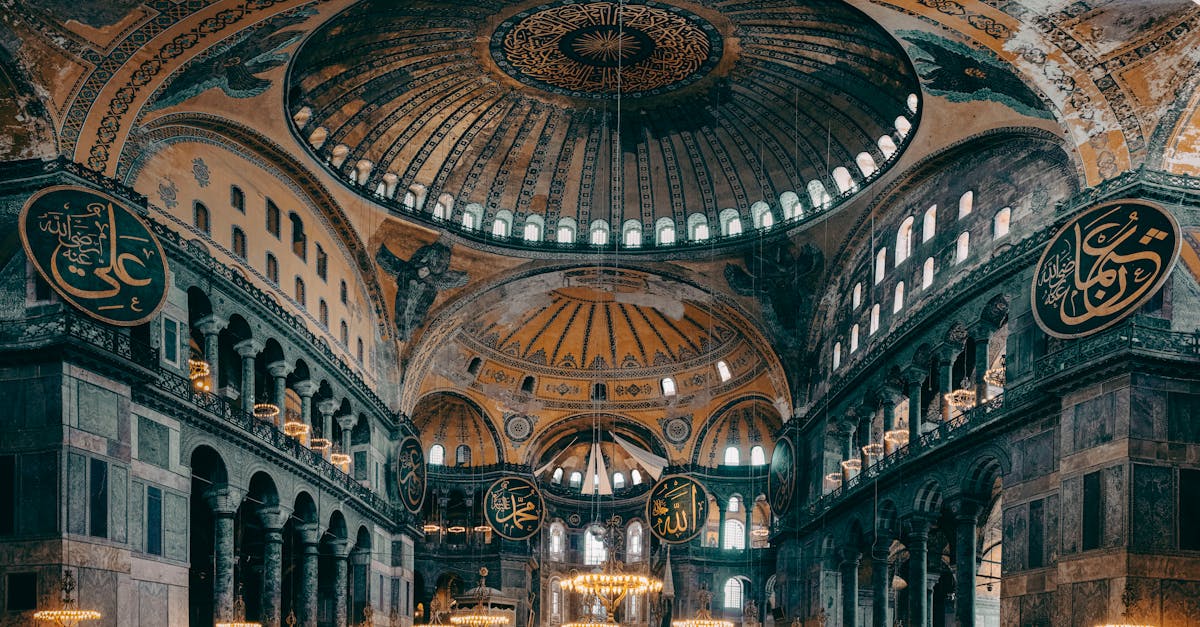
The principles, challenges, and processes behind the transformation of a chapel into a guesthouse in Montargis
Converting a historic chapel into a modern guesthouse requires a methodical approach that respects the heritage. The first step involves analyzing the structure and condition of the walls, vaults, and stained-glass windows. The architect hired must ensure that the structure can support modern developments while preserving the site’s identity. In the case of the Saint-Louis chapel, most of the original features, such as the stained-glass windows and tiling, were retained, demonstrating a balance between restoration and renovation. The main issue then lies in modifying the interior space, which was deemed too spartan for accommodation. Several development techniques were then implemented: creating bedrooms, installing fitted kitchens, and modern bathrooms. The challenge for the project managers is to respect the architectural integrity while integrating modern technical installations, such as heating, insulation, and plumbing, without altering the building’s character. Current regulations regarding heritage enhancement play a key role in this step. Beyond that, the layout of the spaces must also promote a welcoming and inspiring stay for visitors, ensuring an experience that combines period decor with contemporary comfort.
| Key Stages of the Transformation | Importance | Concrete Example |
|---|---|---|
| Structural and Heritage Analysis | Essential | Conservation of Stained Glass Windows and Vaults |
| Architectural Study and Interior Design | Crucial for Harmony | Creation of 4 Bedrooms and 2 Bathrooms |
| Regulatory Compliance | Mandatory | Compliance with Standards for Listed Buildings |
| Modern Technical Integration | Essential | Heating, Insulation, and Electrical Systems |
| Heritage Enhancement and Decoration | Contribution to Attractiveness | Decoration in a Revitalized Religious Style |
The Advantages and Economic Impact of a B&B in a Former Chapel in Montargis
Converting a chapel into a B&B in a town like Montargis, renowned for its historic charm and varied landscapes, offers a significant advantage for the region. First of all, this type of unusual accommodation attracts visitors seeking authentic and unique experiences. Visitor numbers often increase during key periods such as school holidays or long weekends, thus fostering the development of local tourism. The Saint-Louis Chapel, for example, is fully booked for Ascension and Pentecost weekends, proving that unusual accommodation can generate real economic dynamism. The availability of exceptional locations also arouses strong curiosity, particularly among families or groups of friends looking for a different experience. Indeed, figures show that a B&B located in a building steeped in history can generate up to 3 to 4 times more revenue than traditional accommodation. Furthermore, this transformation enhances the local architectural heritage, creating a virtuous circle: increased tourism supports local businesses, restaurants, and crafts. Similarly, diversifying the tourist offering increases Montargis’s reputation in the Centre-Val de Loire region, while contributing to the preservation of its architectural and religious heritage.
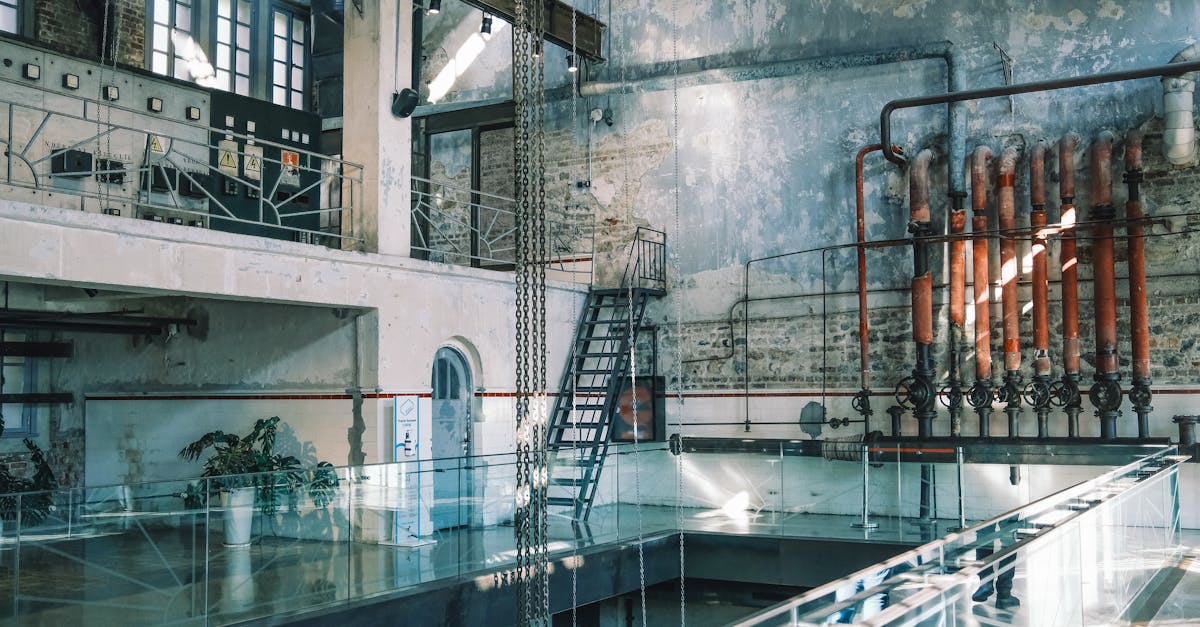
The eco-responsible approach and the enhancement of heritage during renovation
Respecting the environment while enhancing its historical richness is a major challenge for the conversion of a chapel into a gîte. This project in Montargis demonstrates a strong desire to limit the ecological impact, notably through the use of sustainable and local materials in the construction and renovation. The preservation of certain original elements, such as the stained-glass windows and vaults, contributes to a responsible restoration approach. The implementation of eco-responsible solutions also concerns heating, insulation, and the choice of equipment to reduce energy consumption, or even initiate the energy transition. The rehabilitation is part of a desire to perpetuate the heritage while integrating a modern and ecological base. For example, the owner opted for recycled or natural materials to limit the carbon footprint of the operation. This approach is also part of a context where awareness of nature preservation meets the need for sustainable development in the tourism sector. Ultimately, transforming a former chapel into a guesthouse is a concrete response to the issue of environmentally friendly housing, while offering a sustainable and authentic stay experience in Montargis.
| Eco-responsible actions | Impact | Concrete example |
|---|---|---|
| Use of sustainable materials | Reduction of carbon footprint | Reuse of stained glass windows and vaults |
| Optimization of insulation | Energy savings | Thermal insulation with natural materials |
| Installation of energy-efficient systems | Reduction of energy consumption | Solar panels, low-temperature heating |
| Promotion of heritage architecture | Heritage preservation | Conservation of historical elements |
| Local involvement | Support for sustainable development | Local materials, regional artisans |
Opportunities for Experience and Discovery Around This Ancient Chapel in Montargis
This type of project offers more than just accommodation. It becomes a starting point for discovering the richness of the Montargis area. The region is known for its unspoiled nature, winding canals, and historical sites. The chapel’s proximity allows visitors easy access to hiking trails and green spaces. Added to this is the opportunity to enrich their stay with cultural activities, such as visits to museums, castles, or local artisan workshops. For those seeking gastronomy, several markets and restaurants offer regional specialties in an authentic setting. The region also offers sports activities such as cycling and kayaking. The popularity of unusual accommodations, particularly in buildings steeped in history, has strengthened the local tourism approach. Thus, a stroll through downtown Montargis can be combined with an architectural discovery, just like a day in the surrounding nature. Whether for a relaxing getaway or a cultural adventure, this transformation becomes an essential step for exploring the local heritage during a stay marked by authenticity and nature.
Recommended activities near the chapel
- 🚶♀️ Hiking along the canals
- 🎨 Visiting museums and art galleries
- 🍽️ Discovering local specialties at the markets
- 🚲 Cycling in the surrounding countryside
- 🛶 Kayaking excursions on the Loire
Frequently asked questions about converting a chapel into a gîte in Montargis
- What is the average time it takes to convert a chapel into accommodation? The renovation can last between 12 and 18 months, depending on the building’s initial condition and the required improvements.
- What is the budget for such a renovation? On average, a complete conversion costs between €300,000 and €600,000, depending on the scope of the work and the integration of ecological solutions.
- How can the historic charm be preserved while modernizing the property? By retaining important architectural features, such as stained-glass windows and vaulted ceilings, while discreetly integrating modern amenities.
- Can this type of accommodation be rented year-round? Availability depends on local management, but high demand during the summer and holiday periods often allows for continuous rentals.
- What are the benefits for local tourism? Attracting customers looking for originality, increasing attendance during the low season, and promoting the regional architectural heritage.
Source: www.francebleu.fr


